Snow Effect: How Snow Changes Nature and Digital Media
Snow is one of the most fascinating things in nature. When it falls from the sky, it can make the world look calm and beautiful. But snow does more than just cover the ground with white flakes. It affects the environment, weather, and even our daily lives. At the same time, snow has become popular in digital media, where it is used as a visual effect for websites, videos, and games. In this article, we will talk about the snow effect in nature and in digital content, why it matters, and how it is used today.
What Is the Snow Effect?
The term snow effect can mean two things: the natural impact of snow in the environment and the visual effect of snow in digital media. In nature, snow changes the temperature, water supply, and even the life of plants and animals. In digital media, the snow effect creates a sense of winter or holiday mood on screens. Both uses are important, but in very different ways.
Natural Snow Effect
Snow Helps Cool the Earth
One of the main ways snow affects the environment is by reflecting sunlight. Snow is very bright and has a high albedo, which means it reflects around 80 to 90 percent of sunlight back into space. This reflection helps cool the Earth because less heat stays on the ground. Without snow, areas would get warmer, and the climate could change faster.
Snow Protects Soil and Plants
Snow also works like a blanket for the ground. When it covers the soil, it keeps the temperature steady and protects plants from cold winds. This layer of snow slows down evaporation, meaning the soil keeps water longer. Farmers and gardeners know that snow can help seeds survive harsh winters.
Snow Affects Water and Rivers
Snow plays a big role in water supply. When snow melts in the spring, it fills rivers, lakes, and reservoirs. This meltwater is very important for drinking water, farming, and electricity in places with hydro power. If there is too little snow, rivers may run dry, and plants and animals may struggle to survive.
Pollution Can Change Snow
Snow can also change when dust or soot falls on it. Dark particles make snow less reflective, so it melts faster. Faster snowmelt can lead to floods or less water for farms and cities. This is why clean snow is not only beautiful but also important for nature and human life.
Snow and Climate
Snow has a close connection with climate. Large amounts of snow can keep an area cooler, while less snow can make it warmer. This connection also affects animals that depend on snow for survival, like polar bears, foxes, and certain birds.
Digital Snow Effect
What Is Digital Snow Effect?
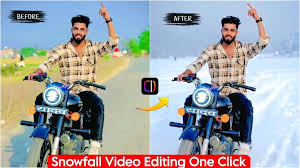
The digital snow effect is a way to show falling snow on screens. You can see it on websites, videos, apps, and games. It makes the screen look like winter or adds a cozy holiday feeling. Digital snow is created with special software or code that simulates snowflakes falling and moving in different directions.
How It Works
Digital snow can be simple or detailed. Some websites use JavaScript to make small snowflakes move slowly across the screen. Other tools let you add heavy snow, blizzards, or snow that reacts to wind. Video editors can place snow overlays on movies or clips to create winter scenes without real snow.
Where You See Digital Snow
You often see digital snow during the winter season or holidays. Websites for Christmas sales, winter games, or animated videos may use it to attract attention. Apps for smartphones also use snow effects for fun backgrounds or greeting messages. Even social media filters can create snow falling over your photos.
Customizing Snow Effect
Digital snow can be customized for size, speed, and brightness. Developers can make it look realistic with round, soft flakes or stylized with shapes like stars or hearts. This flexibility makes digital snow popular for designers who want to give a seasonal touch without real snow.
Why Snow Effects Are Important
In Nature
- Temperature control: Snow keeps the Earth cool by reflecting sunlight.
- Soil protection: Snow acts as a blanket for plants and soil.
- Water supply: Snowmelt provides fresh water for rivers, farms, and cities.
- Animal habitats: Snow is a home for animals like foxes, hares, and polar bears.
- Climate impact: The amount of snow affects weather patterns and seasons.
In Digital Media
- Visual appeal: Snow creates a winter or holiday feeling.
- User experience: It makes websites, videos, and apps more engaging.
- Seasonal theme: Snow effect matches holidays, sales, or events.
- Creative freedom: Designers can choose style, speed, and density.
Fun Facts About Snow
- Every snowflake is unique: No two snowflakes have exactly the same shape.
- Snow is a good insulator: Animals like foxes and small rodents use snow to stay warm.
- Snow can be noisy: When snow falls in dry, cold weather, it can make a soft crunch underfoot.
- Digital snow saves effort: You can create winter videos without waiting for real snow.
- Snow changes color: Fresh snow looks white because it reflects all sunlight, but older snow can look grey if dirt mixes in.
How to Make Snow Effect for Digital Media
If you want to create snow for a website or video, here are some easy options:
- JavaScript plugins: Many free scripts create falling snow on web pages.
- Video overlays: You can add snow clips on videos with editing software.
- Mobile apps: Apps let you add snow to photos or videos with filters.
- Animation software: Advanced tools let you design snowflakes that move naturally in 3D space.
No matter the method, the goal is to make snow look natural and pleasing to the eyes.
Conclusion
The snow effect is a simple word with two very different meanings. In nature, snow cools the Earth, protects soil, provides water, and helps animals survive. In digital media, snow adds beauty, mood, and fun to websites, videos, and apps. Both natural and digital snow effects are interesting and useful in their own ways.
Next time you see snow falling outside or on a screen, you can think about how it works and why it matters. Whether it’s real or virtual, snow can change how we feel, what we see, and how the world works around us.
About the Author